
The Wonder Brightly Approach
Curiosity first. Connection always.
Every service I offer, whether it’s playing together on the floor with a toddler or reflective supervision with a leadership team, grows from the same approach: developmental, relational, play-based, and neurodiversity-affirming.

It starts with wonder
When a child's behavior feels confusing, exhausting, or scary, the most common question adults ask is: "How do we make this stop?"
I ask a different question first: "I wonder what this is communicating?"
That shift from judgment to curiosity helps us see behavior in context and better understand the child in front of us. From there, we can find responses that support development while honoring who that child already is.
From a Parent
“What stood out the most was she is able to see right to the root of what was going on with my kids. Meaning, she didn’t look at the behavior on a surface level but was able to see what was driving that behavior. Not only was that helpful for my kids but also helped us as parents! I personally have taken that with me and able to apply what I learned from Brittany to different situations.”
A warm, thoughtful approach to developmental science
My work is informed by developmental science, attachment research, infant and early childhood mental health, neurodevelopment, and relationship-based practice.
Sometimes that means working within a structured, evidence-based model. Other times, it means drawing from different frameworks to help make sense of a particular child, relationship, or situation.
The expertise matters. So does how it feels to receive it. I want families and professionals to have access to thoughtful, evidence-informed guidance without the experience feeling cold, clinical, or intimidating.
Partnering with families + teams
Supporting a child often means helping the adults around them understand one another, too.
I work alongside caregivers, educators, providers, and care teams to bring different perspectives together and build a more complete understanding of what a child may need.
My role isn’t to replace the people already supporting a child. It’s to help connect the dots, so everyone can move forward with greater clarity and a shared developmental understanding.
The goal is support that feels connected, intentional, and not fragmented.
This work may include
Helping caregivers understand and navigate recommendations
Preparing for Early Intervention or IEP conversations
Collaborating with educators, therapists, and other providers
Participating in school, clinical, or interdisciplinary meetings
Translating developmental information into everyday language
Helping teams identify shared priorities and meaningful next steps

Growing Together
This work can be proactive, not only for moments of stress or crisis
Some families come to me because something feels difficult or unclear. Others come because they want a place to slow down and pay closer attention to how their child is growing and how their relationship is changing along the way.
We might look at everyday interactions, play, routines, communication, regulation, or patterns that keep showing up. We can also explore how expectations and family experiences influence the way adults respond to their children.
This kind of reflection can help families make more intentional choices now, while building an understanding of their child that continues to grow with them.

PLAY + CONNECTION
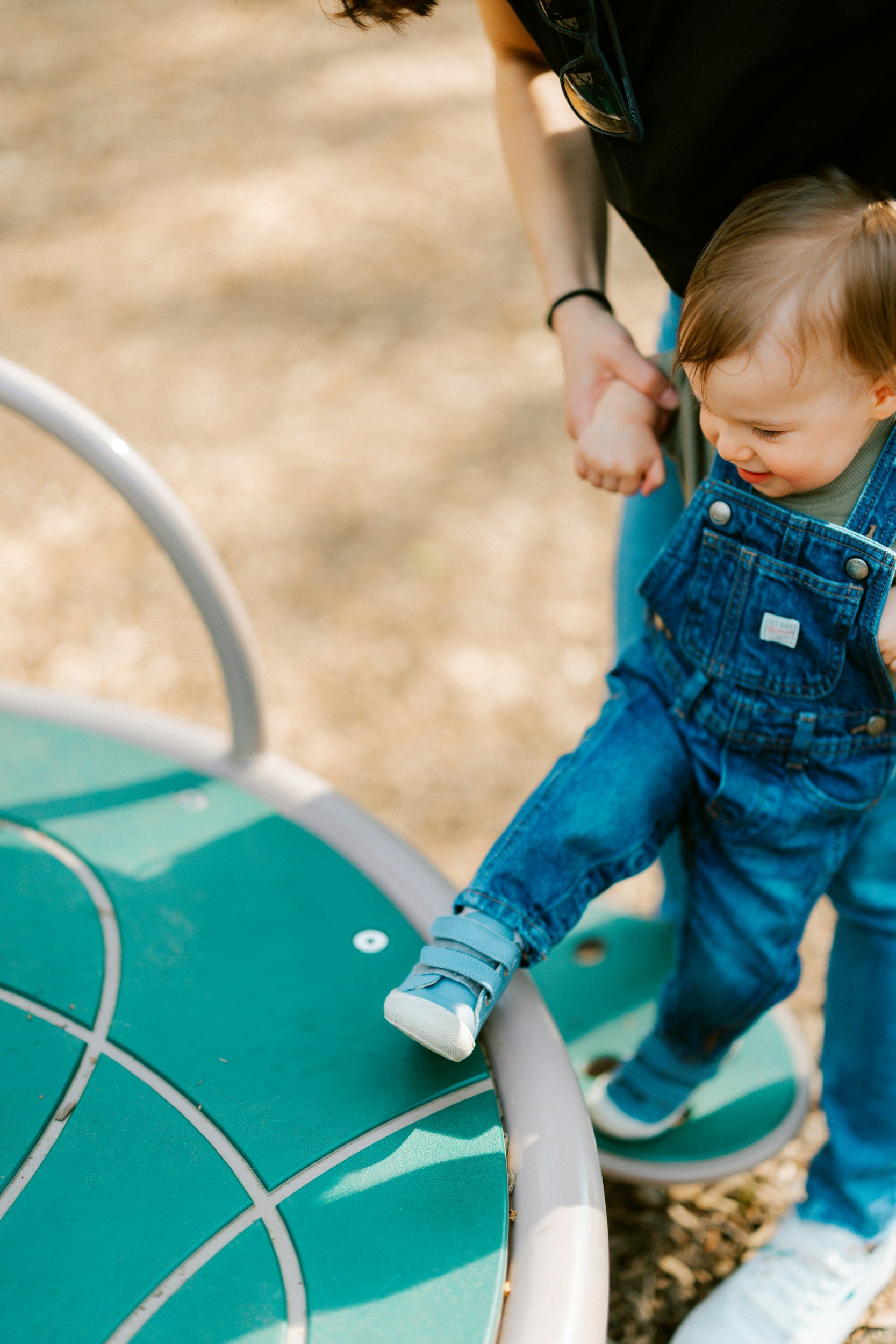
Play gives us a window into a child's world
Play is one of the primary ways children communicate, connect, regulate, and learn.
It can help us understand what captures a child's attention, how they experience connection, and what helps them feel safe enough to engage. For children who may be harder to reach through more traditional approaches, play can offer a natural pathway into shared attention, communication, and relationship.
And play brings something equally important into the work: joy. Laughter, delight, and small moments of shared connection aren't separate from developmental growth. They're part of it.

Understanding Your Child Can Also Mean Understanding Yourself
Parenting doesn’t happen in a vacuum. The way we respond to our children is shaped by our own experiences, expectations, family patterns, and ideas about what childhood or parenting should look like.
Sometimes our work includes noticing those pieces too. Not to judge or overanalyze them, but to understand what gets activated in difficult moments and create more room to choose how we want to respond.
The goal isn’t perfect parenting. It’s greater awareness of both sides of the relationship, so connection and growth have more room to happen.
Where it leads
Families tell me they leave sessions feeling lighter. That expectations finally fit their child. That the pressure valve released. That they can genuinely enjoy their child again.
That's the whole point.